
How Much Does SEO Cost in Bangladesh? — Real Pricing Breakdown & What to Expect SEO pricing in Bangladesh depends on your business goals, competition level, and the type of SEO you need (local, national, or eCommerce). There is no fixed price — instead, costs vary based on scope and consistency. Quick Answer Small business SEO in Bangladesh: ৳15,000 – ৳40,000 per month Competitive industries: ৳40,000 – ৳1,00,000+ per month One-time audit/setup: ৳20,000 – ৳60,000 Local SEO costs less than nationwide campaigns SEO usually requires 3–6 months minimum commitment Long-term ROI improves after 6–12 months What Affects SEO Cost in Bangladesh? 1️⃣ Competition Level (Dhaka vs Smaller Cities) SEO in Dhaka is more competitive than in Chattogram or Sylhet. Higher competition = more content + stronger backlinks More competition = higher monthly budget Local city campaigns cost less than national targeting 2️⃣ Website Condition If your website has: Technical errors Slow speed Poor mobile usability Weak content structure You’ll need an audit and fixes first, which increases initial cost. 3️⃣ Type of SEO Service SEO Type Cost Level Who It’s For Local SEO Lower Clinics, shops, local services National SEO Medium Service businesses across Bangladesh eCommerce SEO Higher Online stores with many products Enterprise SEO Highest Large brands & high competition niches Typical SEO Pricing Models in Bangladesh Monthly Retainer (Most Common) Ongoing optimisation Content creation Backlink building ReportingBest for long-term growth One-Time Project Technical audit On-page fixes Setup workGood for startups but not enough alone. Performance-Based SEO Some agencies offer this, but results depend on keyword difficulty and market conditions. Be cautious of guaranteed rankings. What’s Usually Included in SEO Cost? Most professional SEO packages include: Technical website audit Keyword research On-page optimisation Content strategy Backlink outreach Local SEO setup Reporting via Google Search Console and Google Analytics Why Cheap SEO Can Be Risky Very low-cost SEO (৳5,000–৳10,000/month) often means: Low-quality backlinks AI-spam content No strategy No reporting SEO is an investment — extremely cheap services may hurt rankings long-term. How Long Before You See ROI? Most businesses in Bangladesh see: Timeline Expected Outcome 0–3 Months Fix foundation & publish content 3–6 Months Rank for easier keywords 6–12 Months Compete for core keywords 12+ Months Stable traffic & lead growth SEO works best when treated as a 6–12 month strategy. Budget Recommendation by Business Type Small local service (Dhaka-based): ৳20k–৳35k/month Mid-level service business: ৳35k–৳70k/month Competitive niche (real estate, IT, finance): ৳60k–৳1L+/month If your budget is limited, start with: Local SEO Long-tail keywords Consistent monthly content FAQ Q1: Can I do SEO myself to reduce cost?Yes, but it requires time, tools, and learning. Q2: Is SEO cheaper than Facebook Ads in Bangladesh?SEO is slower but gives long-term traffic without paying per click. Q3: Should I pay monthly or per project?Monthly works better for stable ranking growth. Q4: Does higher budget guarantee ranking?No. Strategy and execution matter more than spending alone.
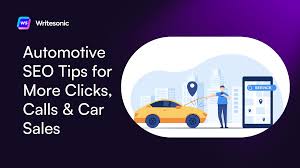
Essential SEO Practices for the Auto Industry
In today’s competitive market, the auto industry must leverage SEO strategies to stay ahead. Implementing effective SEO practices can boost visibility and drive sales. Here are some essential SEO practices tailored for the auto industry. 1. Optimize for Local SEO Local SEO is crucial for car dealerships and service centers. Ensure your business is listed on Google My Business. Use local keywords to attract nearby customers. Include your location in titles, meta descriptions, and content. Encourage satisfied customers to leave positive reviews online. 2. Use Relevant Keywords Research and incorporate relevant keywords into your content. Use tools like Google Keyword Planner to find high-volume keywords related to the auto industry. Focus on long-tail keywords to capture more specific queries. For example, “affordable hybrid cars” or “best SUV for families.” 3. Create High-Quality Content Content is king in SEO. Write informative blog posts, articles, and guides related to the auto industry. Use engaging headlines and subheadings. Make sure your content answers common questions and provides valuable information. This approach helps establish your authority and attract organic traffic. 4. Optimize Website Performance A fast-loading website improves user experience and search engine rankings. Compress images, enable browser caching, and use a content delivery network (CDN) to speed up your site. Regularly check your website’s performance using tools like Google PageSpeed Insights. 5. Utilize Social Media Social media platforms are essential for promoting your content and engaging with your audience. Share your blog posts, videos, and other content on platforms like Facebook, Twitter, and Instagram. Use hashtags related to the auto industry to increase visibility. Engage with followers by responding to comments and messages. 6. Implement Mobile Optimization Many users search for auto-related information on their mobile devices. Ensure your website is mobile-friendly. Use a responsive design that adjusts to different screen sizes. Test your site on various devices to ensure a seamless experience for all users 7. Build Quality Backlinks Backlinks from reputable sites boost your search engine rankings. Collaborate with industry influencers and bloggers to create guest posts. Participate in auto industry forums and include links to your site. Ensure your backlinks come from high-authority domains. 8. Leverage Video Content Video content is highly engaging and can drive traffic to your site. Create videos showcasing new car models, how-to guides, and customer testimonials. Upload these videos to YouTube and embed them on your website. Use relevant keywords in your video titles and descriptions. 9. Monitor and Analyze Performance Regularly monitor your SEO performance using tools like Google Analytics and SEMrush. Track metrics such as organic traffic, bounce rate, and conversion rate. Analyze the data to identify areas for improvement. Adjust your SEO strategies based on your findings to achieve better results. 10. Stay Updated with SEO Trends SEO is constantly evolving. Stay updated with the latest trends and algorithm changes. Follow SEO blogs, attend webinars, and participate in industry forums. Keeping up with current best practices ensures your strategies remain effective. Implementing these SEO practices will enhance your online presence and attract more customers. Stay consistent and patient, as SEO results take time. By following these tips, your auto business can achieve long-term success in the digital landscape.
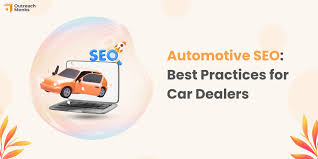
Navigating the SEO Landscape for Automotive E-Commerce Sites
Understanding the Basics of SEO for Automotive Search engine optimization (SEO) is crucial for automotive e-commerce sites. It ensures visibility and drives organic traffic. Mastering SEO starts with understanding keywords, meta descriptions, and content optimization. By targeting the right keywords, your site can attract relevant traffic. Keyword Research: The Foundation of SEO Effective keyword research is vital. Identify terms your potential customers use. Tools like Google Keyword Planner can help. Focus on long-tail keywords, which are less competitive and more specific. For instance, “buy used cars online” is better than just “cars.” On-Page SEO: Optimizing Content and Structure On-page SEO involves optimizing your site’s content and structure. Use keywords naturally within your content. Ensure each page has a unique meta description. Headers (H1, H2, H3) should be well-organized. This helps search engines understand your content better. Technical SEO: Enhancing Site Performance Technical SEO is about improving your site’s backend. Ensure fast loading times and mobile-friendliness. Use tools like Google PageSpeed Insights to test performance. A well-structured site map and clean URL structure are essential. These factors help search engines crawl and index your site efficiently. Creating Quality Content: Engaging Your Audience Quality content is king in SEO. Create valuable, informative content that answers your audience’s questions. Blog posts, product descriptions, and guides should be well-written and engaging. Use images and videos to enhance your content. Regularly update your site with fresh content to keep it relevant. Link Building: Boosting Authority and Trust Link building is crucial for improving your site’s authority. Obtain backlinks from reputable sites. Guest blogging and partnerships can help. Internal linking within your site also boosts SEO. It helps distribute page authority and improves navigation. Local SEO: Capturing the Local Market Local SEO is essential for automotive e-commerce sites targeting specific regions. Optimize your Google My Business listing. Include local keywords in your content. Encourage customer reviews to boost local credibility. Accurate NAP (Name, Address, Phone number) information is vital. Monitoring and Analytics: Tracking SEO Performance Monitoring your SEO efforts is crucial. Use tools like Google Analytics and Search Console. Track your keyword rankings, traffic sources, and user behavior. Regularly analyze this data to refine your SEO strategy. Stay updated with the latest SEO trends and algorithm changes. Conclusion: Staying Ahead in the SEO Game Navigating the SEO landscape for automotive e-commerce sites requires continuous effort. Focus on keyword research, on-page and technical SEO, content creation, link building, and local SEO. Monitor your performance and adapt strategies as needed. By doing so, you can achieve higher rankings and drive more organic traffic to your site.

How to Get Your Products Found Online
Optimize Your Product Listings To get your products found online, start by optimizing your product listings. Use clear, concise titles and descriptions. Include relevant keywords to improve search visibility. Ensure images are high-quality and showcase your products effectively. Leverage Social Media Marketing Social media platforms are powerful tools for product discovery. Share engaging content related to your products on platforms like Instagram, Facebook, and Pinterest. Use hashtags and interact with your audience to build a community around your brand. Utilize SEO Strategies SEO is crucial for online visibility. Research and implement keywords that your potential customers are searching for. Optimize your website’s meta descriptions, headers, and content. Regularly update your blog with valuable, keyword-rich content. Invest in Paid Advertising Paid advertising can boost your product’s visibility quickly. Use Google Ads, Facebook Ads, and other platforms to target specific demographics. Track the performance of your ads to optimize them for better results. Encourage Customer Reviews Customer reviews build trust and improve search rankings. Encourage satisfied customers to leave positive reviews on your website and third-party platforms. Respond to reviews promptly to show that you value customer feedback. Create Quality Content Content marketing is a long-term strategy to attract potential customers. Create blogs, videos, and infographics that provide value to your audience. Share this content on your website and social media channels to drive traffic and engagement. Collaborate with Influencers Influencer marketing can expose your products to a broader audience. Partner with influencers in your niche who have a strong following. Their endorsement can significantly increase your product’s visibility and credibility. Optimize for Mobile Users Monitoring your SEO efforts is crucial. Use tools like Google Analytics and Search Console. Track your keyword rankings, traffic sources, and user behavior. Regularly analyze this data to refine your SEO strategy. Stay updated with the latest SEO trends and algorithm changes. Utilize Email Marketing Email marketing keeps your audience engaged and informed. Send newsletters with updates, promotions, and valuable content. Personalize your emails to increase open rates and engagement. Analyze and Adjust Your Strategies Regularly analyze your marketing strategies. Use tools like Google Analytics to track website traffic and user behavior. Adjust your tactics based on what works best to continuously improve your online presence. By implementing these strategies, you can increase the visibility of your products online and drive more sales. Stay consistent and adapt to changing trends to maintain a strong online presence.